
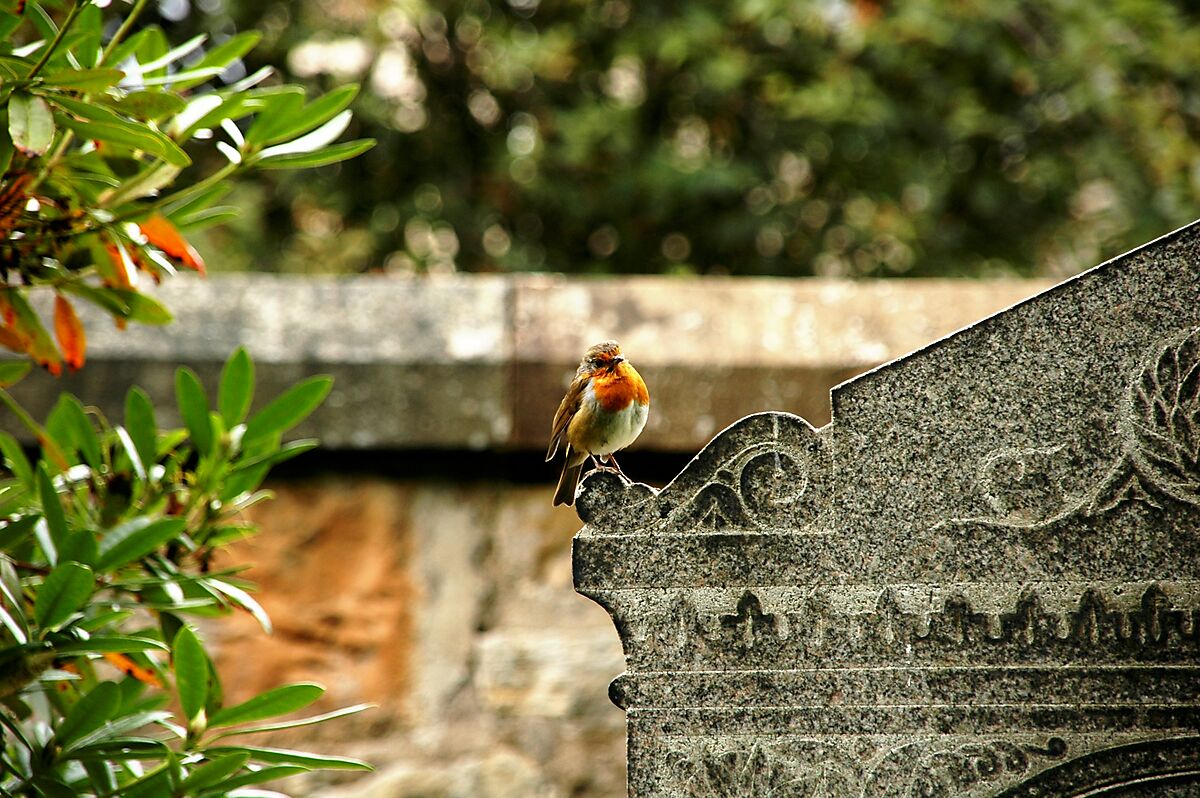
Vestiges of Life
Vestiges of a Love Remembered

In Spanish, ‘Abuelo’ means ‘Grandfather’.
I don’t know exactly when I told them about the baby chicks at Abuelo’s funeral. It must’ve been during one Día de Muertos visit. Abuelo died eight days before I turned four. That always came up whenever we visited his grave in late October. All my cousins lived in the province, close to the cemetery, so we city folk had to haggle over the meeting. Then there was the food. Mama would have several baskets of tamales made fresh for sharing just before we left for the road. They had a short shelf life, and the doughnuts on the way had to be warm, so Día de Muertos was all about timing.
We would travel down on the 30th, avoiding the crowds of November the 2nd, the true All Souls’ Day. It felt odd breaking tradition, but it spared us hours on the expressway and rough country roads — although All Souls’ Day was when cemeteries across the country came alive, little children jumping over graves, tamales-filled bamboo baskets on rolled-out picnic mats.
I never knew what to make of those visits. My thoughts kept flitting around, never quite settling — like something small trying to find its footing.
‘You were too young to remember,’ Mama would say wistfully. ‘If only you could.’ Abuelo loved you; how he smiled when you were born, constantly swooping you up in his arms. This kind man loved me, and they said it was alright I remembered nothing: I was just too little, but, oh, wasn’t it a shame?
Then one day, I remembered something. Deep in my childhood were the baby chicks; They stood stark in a memory, yellow and fluffy. Other details were vague: a looming white coffin, white cloth draped over everything, the clean scent of cempasúchil softening the sharpness of lit candles everywhere. And the grown-ups who cried, comforted, and sought solace in the novena, all night for nine days.
They did laugh when I first shared that stumbling memory. ‘Oh, that!’ they exclaimed in delight. ‘We watched you chase after those chicks, and oh, you made us laugh.’
That last time when we drove through the winding path by the graves, a pantile fragment fell off the sloping roof, the sound echoing round the stone walls of the mausoleum, interrupting the settled silence. Mama’s laugh resonated with other memories by Abuelo’s grave — my cousins clambering up waist-high stone coffins, barbecues being fanned outside. In a corner, candles flared to life atop the cabinet housing my great-grandparents’ urns, the decades-old photos gaining warmth.
Death had made its home in such places and with it, silence. You’d think it was weird to go against the natural state of things, but the vestiges of the living filled the emptiness, bright burgeoning life, flowers blooming in cracks, cats swiping food for their kittens, the hatched shells of stubborn baby birds in the columbaria crevices. Among memories of loss, death, and silence, new life breathed — as they did that day, the chicks at Abuelo’s funeral.