
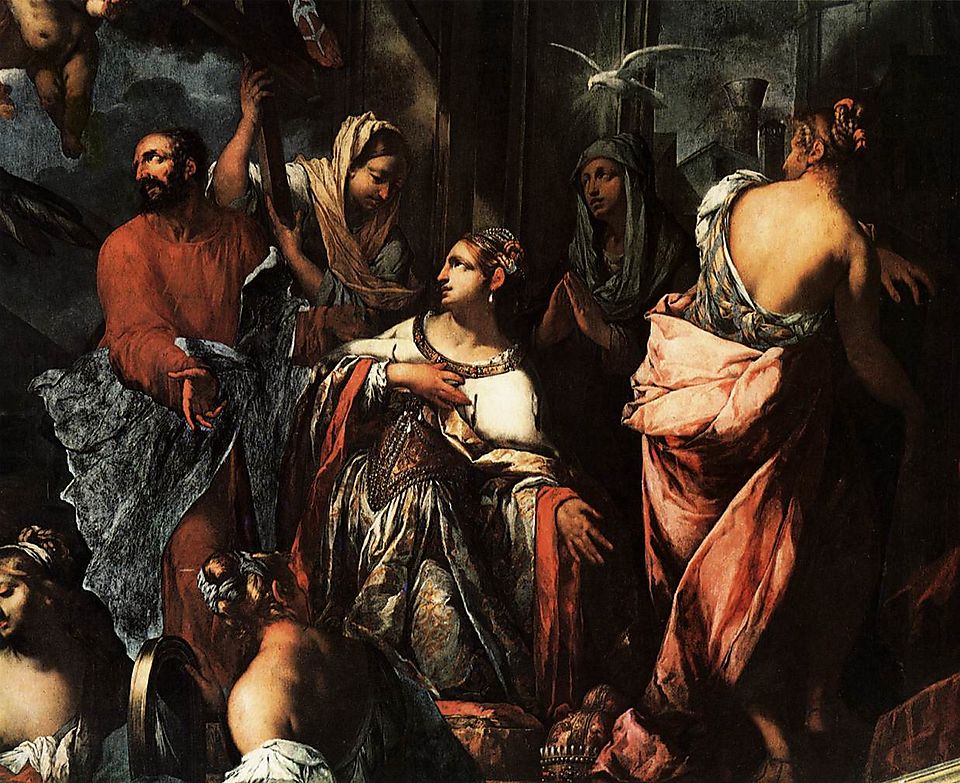
The Madonna Saves Venice from the Plague of 1630
Venice and the Origins of Quarantine

The Black Death swept across Europe in the 14th century, infecting an estimated three-quarters of the population and killing one fourth. For the next 300 years, outbreaks of the plague were recorded throughout Europe; however, one city seemed to escape much of the suffering: Venice.
Fourteenth century Venice was a maritime empire, merchant ships carrying salt, silks and spices frequented the ports everyday. These ships also carried deadly stowaways: rats infested with fleas carrying the bubonic plague. The plague struck in 1348 and is estimated to have killed 50,000 within a year.
Venice appointed three health officials to come up with a solution. They observed that the outbreaks coincided with incoming merchant ships and intercepted any vessels arriving from infected areas. The boats and its passengers were inspected and required to anchor out of the port for 40 days before being allowed in. Forty days in Italian translates to quaranta giorni, from which the word "quarantine" derives.
As the world's first organised quarantine station, it set a precedent that has saved countless lives since. Venice suffered less than other parts of Italy despite the country recording as many as 50 more outbreaks by 1500.
The city's inhabitants attributed this fortunate escape to divine intervention and the monumental churches of Il Redontore and Basilica di Santa Maria della Salute were in fact constructed in dedication to God for delivering the city from the plague.
Fourteenth century Venice was a maritime empire, merchant ships carrying salt, silks and spices frequented the ports everyday. These ships also carried deadly stowaways: rats infested with fleas carrying the bubonic plague. The plague struck in 1348 and is estimated to have killed 50,000 within a year.
Venice appointed three health officials to come up with a solution. They observed that the outbreaks coincided with incoming merchant ships and intercepted any vessels arriving from infected areas. The boats and its passengers were inspected and required to anchor out of the port for 40 days before being allowed in. Forty days in Italian translates to quaranta giorni, from which the word "quarantine" derives.
As the world's first organised quarantine station, it set a precedent that has saved countless lives since. Venice suffered less than other parts of Italy despite the country recording as many as 50 more outbreaks by 1500.
The city's inhabitants attributed this fortunate escape to divine intervention and the monumental churches of Il Redontore and Basilica di Santa Maria della Salute were in fact constructed in dedication to God for delivering the city from the plague.