
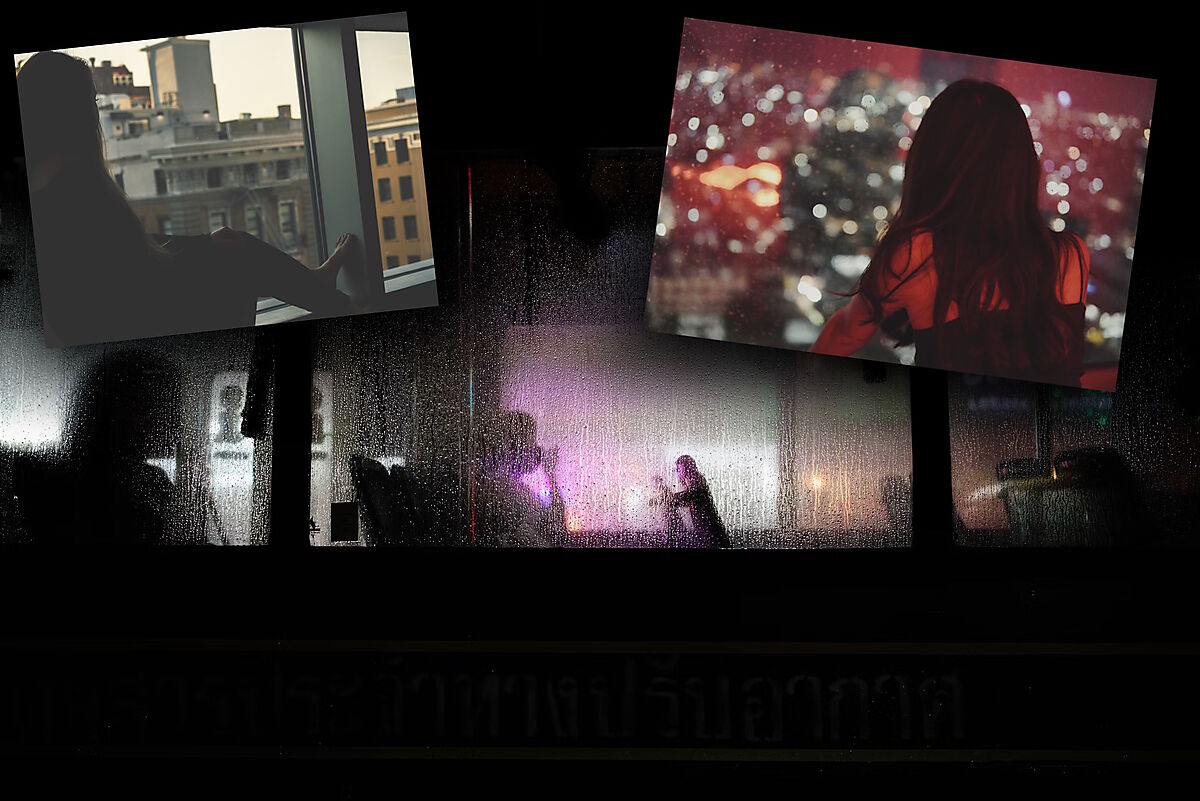
A Shift into the Early Hours
Trading My Fire for Smoke

I started in pastry. Mornings were soft there.
Hot side was different. Louder. Meaner. A chaos of clattering trays, scalding steam, and shouted orders flung like knives across the service pass.
The tiny scars on my arms — red, white, pink from oil pops, oven racks, blades — mapped the time I gave away.
And still, I stayed. Two years.
I told myself I was building grit. I wore fatigue like it was part of the uniform.
The adrenaline was addictive; pride, fleeting.
But service never ended: even off shift, I’d hear the ticket printers in my sleep.
The last shift was a living hell. Every noise made me startle, accumulated hours of lost sleep taking their toll.
Plates crashing. Chefs shouting.
I felt like I was being violently shaken awake, over and over again.
Then I caught my reflection in the pass.
My eyes dull, my skin yellowed under the fluorescent buzz, lips cracked, hands trembling — I looked like the ghost that never clocks out.
I finished the shift. Wiped down the surfaces.
Stacked the pans.
Nodded at the sous-chef in silence.
The clock edged past midnight. Outside, the sky was black blue. A breeze brushed my cheeks. Fresh air filled my lungs, the first time in what seemed like months. The last two years it wasn’t just life that faded away, I did too — my health, my warmth, my dreams. Sometimes, on my one day off, I’d drift through the charity shops in Camden Town or sit alone in a park, sun on my coffee, pretending the world wasn’t spinning so fast. I’d watch people reading, laughing, kissing, and wonder what it felt like to be part of something gentle again.
I used to draw.
I hadn’t touched a pencil since lockdown, but I’d still see art everywhere.
Each night, after a shift into the early hours, I’d walk towards Piccadilly Circus with my take-away spritz.
N279, 24 minutes.
Twenty-four minutes of agony.
Twenty-four minutes of overthinking.
So many broken dreams. So many derailed lives.
I remembered this guy, Lucas.
You could read the misery on his face, like his soul had sunk into the creases around his eyes.
He used to sit out back on the crates, nursing a bottle.
‘They got me in!’ he said once, bitterly, ‘Amici — the best music academy in Italy! And now? I’m scrubbing pots for pennies.’
Luca was barely nineteen when an unexpected family arrived. In his twenties now, he carried himself like a man twice his age.
That night, as I walked down the alley behind the kitchens for the last time, past the bins and the empty crates — where we came undone — I thought of him.
Of me.
Of everyone who had given pieces of themselves, believing sacrifice would lead to something greater.
This was my last day.
I didn’t tell anyone I wasn’t coming back. No speech. No announcement.
Just silence.
I didn’t know exactly where I was headed. But I knew I was done trading my fire for smoke.