
Surrealism

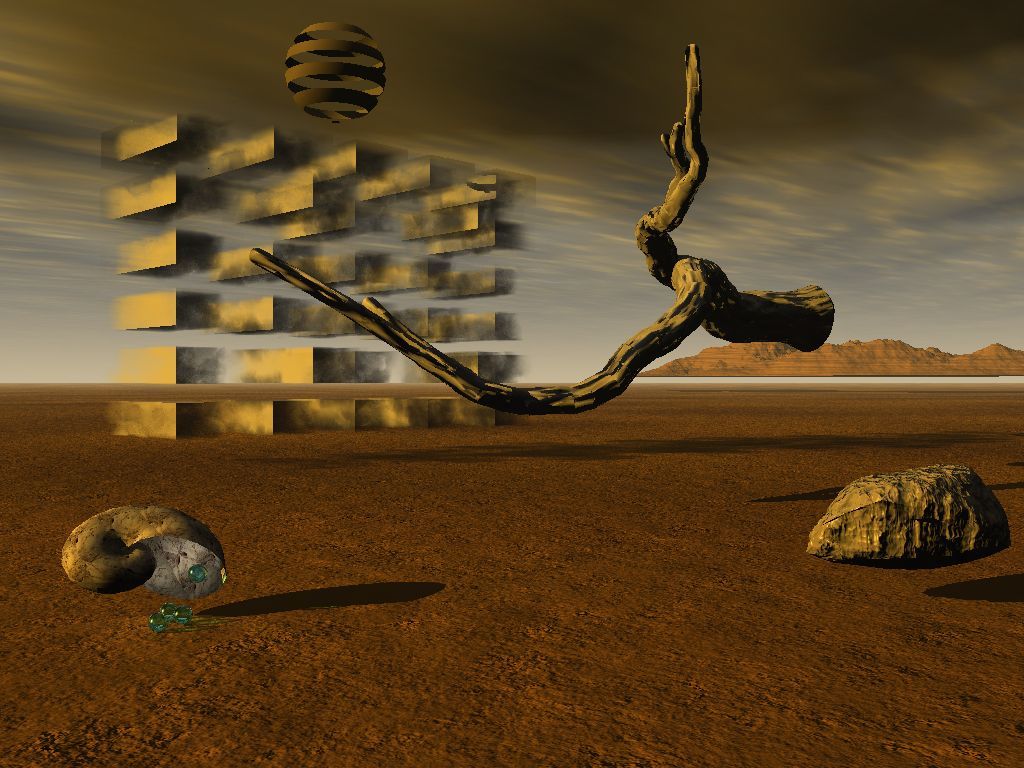
Hommage1
Surrealism is best known as an art movement of the early 1920s, although it had a wider cultural impact, on the literature, cinema, theatre and philosophy of the time.
The term was coined in March 1917 by French poet and playwright Guillaume Apolloninaire in a letter to a fellow writer, and later mentioned in the programme notes for his play two months later to describe a ‘whole series of manifestations of the New Spirit that is making itself felt today.’
The intellectual underpinnings for the movement were provided by French writer André Breton in his Surrealist Manifesto of 1924. During WW1, Breton served in a hospital where he used Sigmund Freud’s psychoanalytic methods to treat soldiers suffering from shell-shock. Breton, who had trained in psychiatry, was influenced by his training when he defined surrealism as
The surrealists sought to release the power of the unconscious mind onto the canvas through automatism (unconscious art-making), and by deriving inspiration from dreams. This was a way to free art from the restrictions imposed by society.
Prominent artists of the movement include German painter Max Ernst, Spanish-Mexican filmmaker Luis Buñuel, Spanish painters Salvador Dalí and Joan Miró, British-Mexican painter Leonora Carrington, Italian painter Giorgio de Chirico and Belgian painter Rene Magritte.
The term was coined in March 1917 by French poet and playwright Guillaume Apolloninaire in a letter to a fellow writer, and later mentioned in the programme notes for his play two months later to describe a ‘whole series of manifestations of the New Spirit that is making itself felt today.’
The intellectual underpinnings for the movement were provided by French writer André Breton in his Surrealist Manifesto of 1924. During WW1, Breton served in a hospital where he used Sigmund Freud’s psychoanalytic methods to treat soldiers suffering from shell-shock. Breton, who had trained in psychiatry, was influenced by his training when he defined surrealism as
Pure psychic automatism… Dictation of thought in the absence of all control exercised by reason, outside of all aesthetic and moral preoccupation.”Breton and his artistic group also suggested the use of startling juxtapositions as a way of making surrealist art ‘one could combine inside the same frame, elements not normally found together to produce illogical and startling effects.’
The surrealists sought to release the power of the unconscious mind onto the canvas through automatism (unconscious art-making), and by deriving inspiration from dreams. This was a way to free art from the restrictions imposed by society.
Prominent artists of the movement include German painter Max Ernst, Spanish-Mexican filmmaker Luis Buñuel, Spanish painters Salvador Dalí and Joan Miró, British-Mexican painter Leonora Carrington, Italian painter Giorgio de Chirico and Belgian painter Rene Magritte.