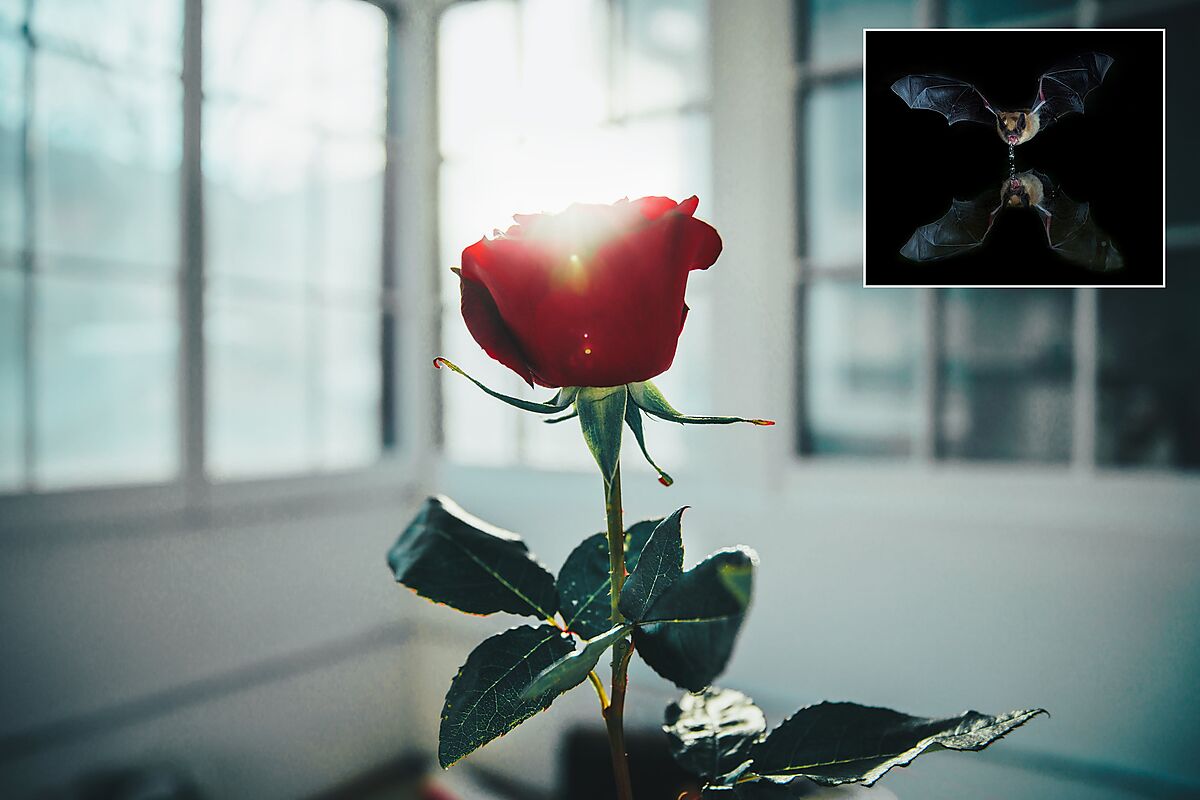
Waking up and smelling coffee, hearing music, seeing a rose on the windowsill… These are the simple experiences of one’s day. At its heart is consciousness, a rich, subjective evaluation of the sights, sounds and textures. There is nothing more intimately known than consciousness, yet there is nothing more mysterious.
The mystery has its modern origins in René Descartes’s (1596–1650) idea that humans possess both a physical body and an immaterial mind. This view, which became known as mind-body dualism, however, left open the problem of interaction. In a correspondence with Descartes1, Princess Elisabeth of Bohemia, asks how can two fundamentally different substances causally interact? How, for example, does a conscious decision to raise one’s arm cause it to go up? And, why does a stubbed toe cause the feeling of pain? Descartes’s solution — the interaction takes place in the pineal gland — is perhaps the weakest link in his idea.
Over the years, there has been no satisfactory account of the relationship between the mind and the body, leading many philosophers to adopt materialism: the view that conscious states of the mind are simply brain states. Materialism has raised many objections, amongst them is Thomas Nagel’s What is it like to be a bat? (1974)2. No matter how much is known about a bat’s ability to use echolocation, one cannot know what it is like to be a bat flying in the dark, navigating with reverberating sound waves.
Similarly, a scientific understanding of what happens inside the brain when a person undergoes a conscious experience says nothing about the subjective character of that experience: what it is like to see a rose.
One of the most perplexing issues in philosophy is the mind-body problem. The problem is how two very different kinds of things — physical and nonphysical — interact with each other. I have been fascinated by the problem ever since I read Descartes’s work as an undergraduate.