
Regency Era
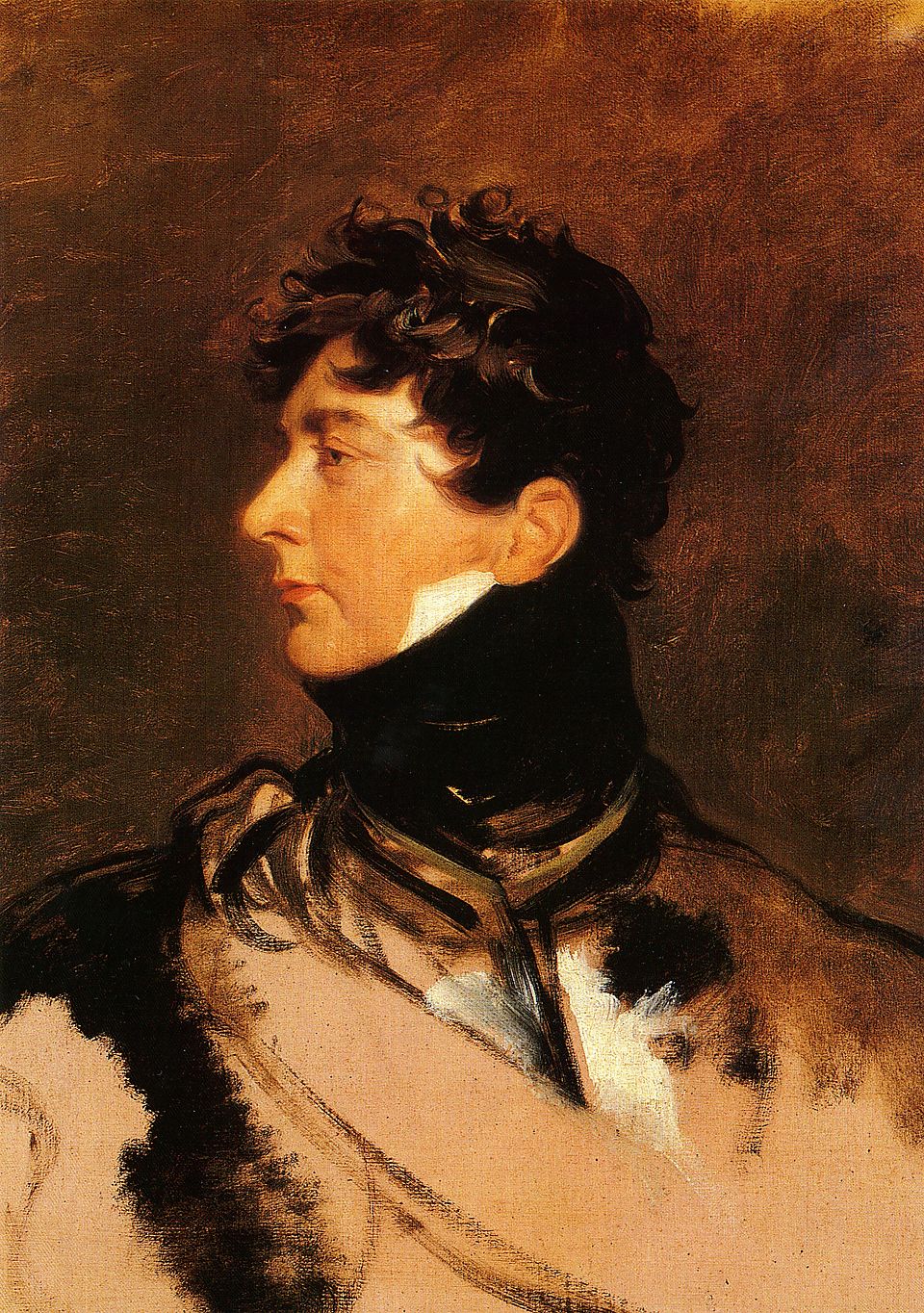
George IV bust1
The Regency in the United Kingdom was a period when King George III was deemed unfit to rule and his son ruled as his proxy as Prince Regent. On the death of George III in 1820, the Prince Regent became George IV.
The term Regency (or Regency era) can refer to various stretches of time; some are longer than the decade of the formal Regency which lasted from 1811–1820.
The period from 1795 to 1837, which includes the latter part of the reign of George III and the reigns of his sons George IV and William IV, is sometimes regarded as the Regency era, characterised by distinctive trends in British architecture, literature, fashions, politics, and culture.
It ended in 1837 when Queen Victoria succeeded William IV.
The term Regency (or Regency era) can refer to various stretches of time; some are longer than the decade of the formal Regency which lasted from 1811–1820.
The period from 1795 to 1837, which includes the latter part of the reign of George III and the reigns of his sons George IV and William IV, is sometimes regarded as the Regency era, characterised by distinctive trends in British architecture, literature, fashions, politics, and culture.
It ended in 1837 when Queen Victoria succeeded William IV.
Regency era adapted from Wikipedia and licensed by The Cultural Me under CC BY SA 3.0