
Op Art
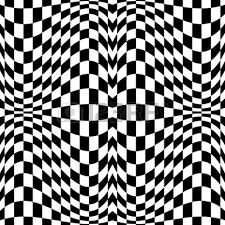
op art
Op art, short for optical art, is a style of visual art that uses optical illusions.
Op art works are abstract, with many better known pieces created in black and white. Typically, they give the viewer the impression of movement, hidden images, flashing and vibrating patterns, or of swelling or warping.
Time Magazine coined the term op art in 1964, in response to Julian Stanczak's show Optical Paintings at the Martha Jackson Gallery, to mean a form of abstract art (specifically non-objective art) that uses optical illusions.
The antecedents of op art, in terms of graphic and color effects, can be traced back to Neo-impressionism.
Op art works are abstract, with many better known pieces created in black and white. Typically, they give the viewer the impression of movement, hidden images, flashing and vibrating patterns, or of swelling or warping.
Time Magazine coined the term op art in 1964, in response to Julian Stanczak's show Optical Paintings at the Martha Jackson Gallery, to mean a form of abstract art (specifically non-objective art) that uses optical illusions.
The antecedents of op art, in terms of graphic and color effects, can be traced back to Neo-impressionism.
Op Art adapted from Wikipedia and licensed by The Cultural Me under CC BY SA 3.0