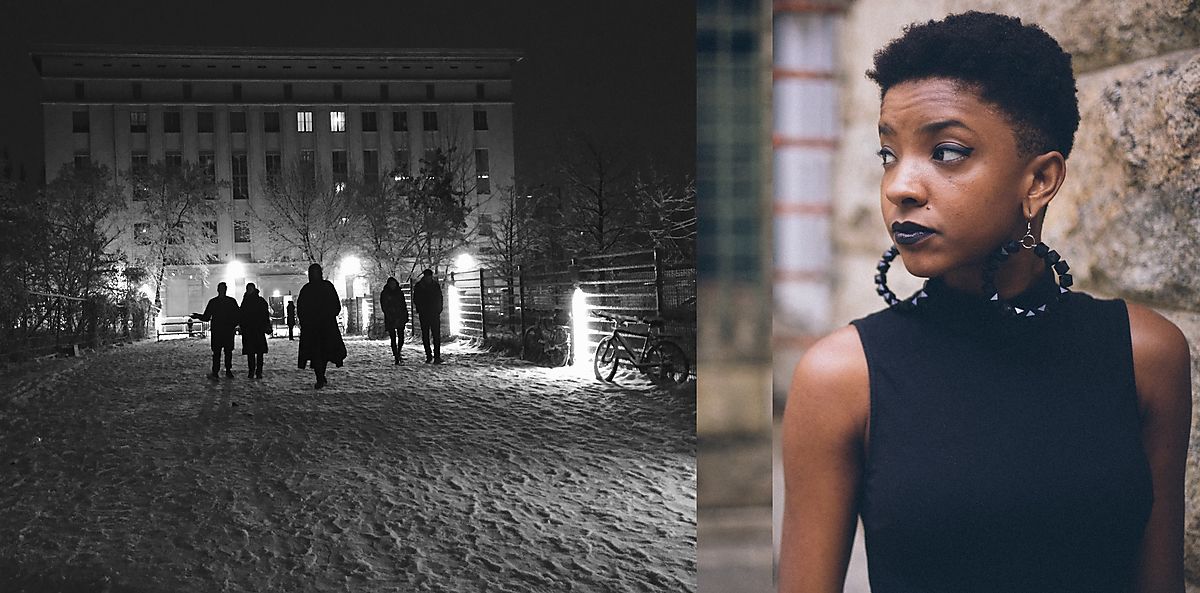
A stone’s throw away from Berlin’s East Side Gallery stands an imposing former power plant, which houses the city’s most exclusive nightclub, Berghain. For any chance of getting a nod from Sven, Berghain’s intimidating bouncer, three things are advised: wear black, break into groups of two and do not talk in the queue. In a city that embraces individuality, the door policies of clubs like Berghain appear to encourage conformity and seem at odds with Berlin’s diverse culture. However, they also serve a crucial function.
Berlin’s clubbing scene may be reminiscent of 1920s Weimar hedonism, but it has a more recent history. Many clubs emerged in areas seen as undesirable or left unoccupied around the Berlin Wall following its fall in 1989. They grew out of venues where sub and countercultures had begun to develop and thrive, including punks and members of the queer and fetish subcultures. The present-day door policies reflect the need to protect these original communities from feeling uncomfortable or unable to express themselves by excluding wide-eyed tourists, amongst others.
This is also the reasoning behind the no-photography policy that operates in many of Berlin’s cubs: ‘there’s no documenting if you end up down in the darkroom, or even if a gay guy gets with a girl. This is a space for sexual exploration for people’,1 says ethnomusicologist and Berghain regular, Luis Manuel Garcia.
The rules at these clubs, both explicit and unspoken, risk excluding those who intend to participate, but perhaps do not quite look the part. But this appears to be a small price to pay for protecting the ethos, reputation and clientele of these now highly sought-after establishments.
Having spent a year living there, I found Berlin to be a city of openness, diversity and, most of all, acceptance. But it struck me how the infamous nightclub scene is seemingly at odds with the city’s spirit, with strict rules about what you must wear and who you must be to be admitted entry. I wanted to explore the argument that these policies protect marginalised communities.