
A Love Affair with Hindi Music
Cassettes from Green Street: A Love Affair with Hindi Music

Our Nissan Bluebird 1990 speeds down the A12 from Essex to Upton Park, Dad at the wheel talking non-stop with Mum about the day ahead, me squeezed between my two brothers in the backseat, Lata Mangeshkar blaring from the radio. The songs keep coming — Anand Milind, Anu Malik, the hits from Dil and Aashiqui — each one louder than the last, filling the space between us, drowning out everything else.
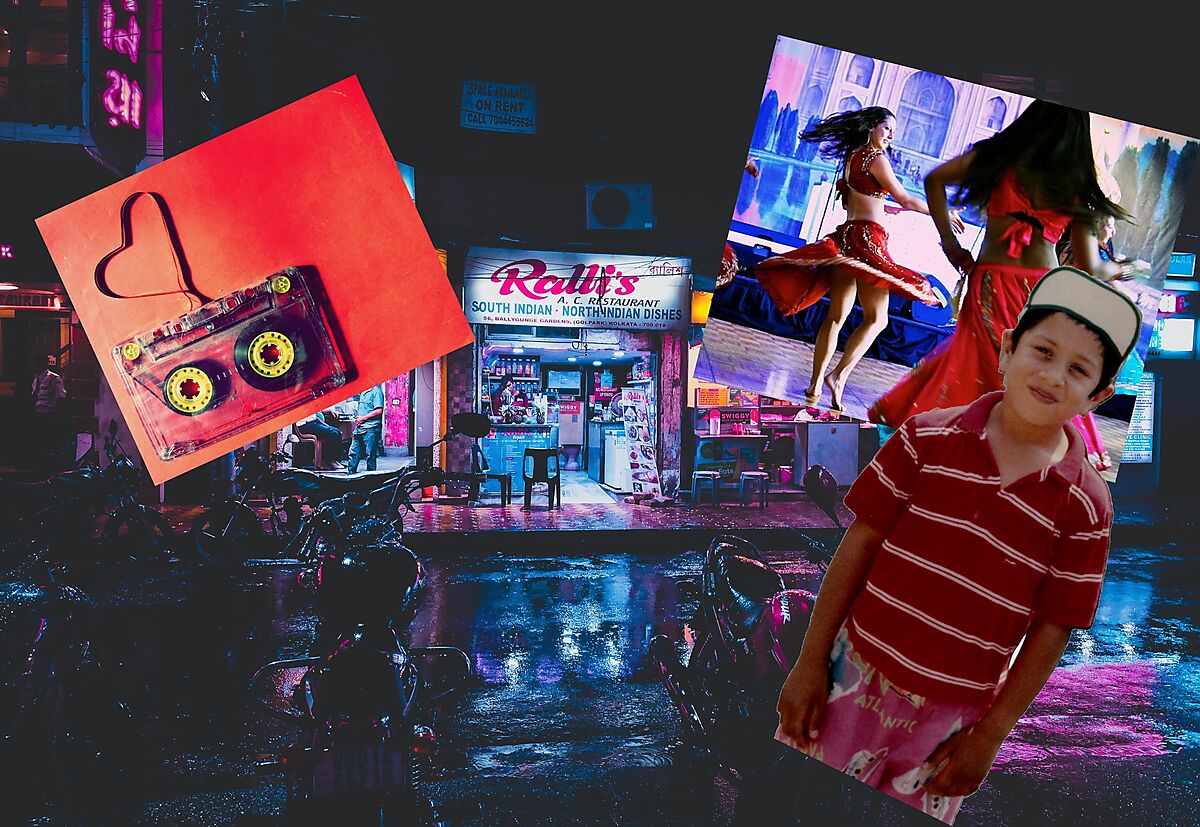
The music is in Hindi — not our household Punjabi — and my heart is impatient to possess it in cassette form. Those cassettes offered a glimpse into a glamorous life, a magical transformation of being, far removed from the sheltered world of our Punjabi family, where children were kept out of adult affairs: love, arguments, and the harsher edges of reality.
As we pass Ilford and head down Romford Road, excitement rises in me, a thrill at the change in the air. We were entering the domain of India and Indian music. The streets are full of Asians like us — a rare sight in Essex. Just travelling into London felt like an achievement, something we only did once every few months. For my mother, this is the occasion to talk Punjabi with the community and to appraise the latest fashions; for my brothers, a chance to gorge on cheap Indian food, since we rarely ate out.
For me, it is the music store on Green Street. Inside, my head swims with images of the stars on the cassettes, the posters on the wall, the beautiful women, the masculine men, the fashion… I run my fingers over the endless rows of cassettes, thrilled by their touch. Each cassette costs one pound, but they have a deal: four for the price of three. I had saved up my pound-a-week pocket money for this very moment, and I wouldn’t pick until I found something that truly captured my heart.
The cassettes would be in a little bag that I held, glancing repeatedly at the pictures as we made our way to our beloved grandparents’ who lived near the shops. When I listened to the music, I would play the same lines over and over until I had learnt them off by heart.
When you are a child, you cannot grasp the lyrics; you lack the life experience. But later, you begin to understand why people sing about despair when love is shattered, and that realisation strikes you like an epiphany. You experience love through the music.
Now, when faced with life situations, I recall the lyrics — words that are a treasure, something you can carry with you anywhere and everywhere. These songs are a remedy for sadness, for feelings of powerlessness, for the dissatisfaction and suffering in the world. They inspire you to better yourself and to keep going, no matter what. They convey the dream of love, the duties of love, the philosophy of love, and the desire to love again after heartbreak. Without Hindi film songs, life would lose much of its richness.