
Byzantine Art
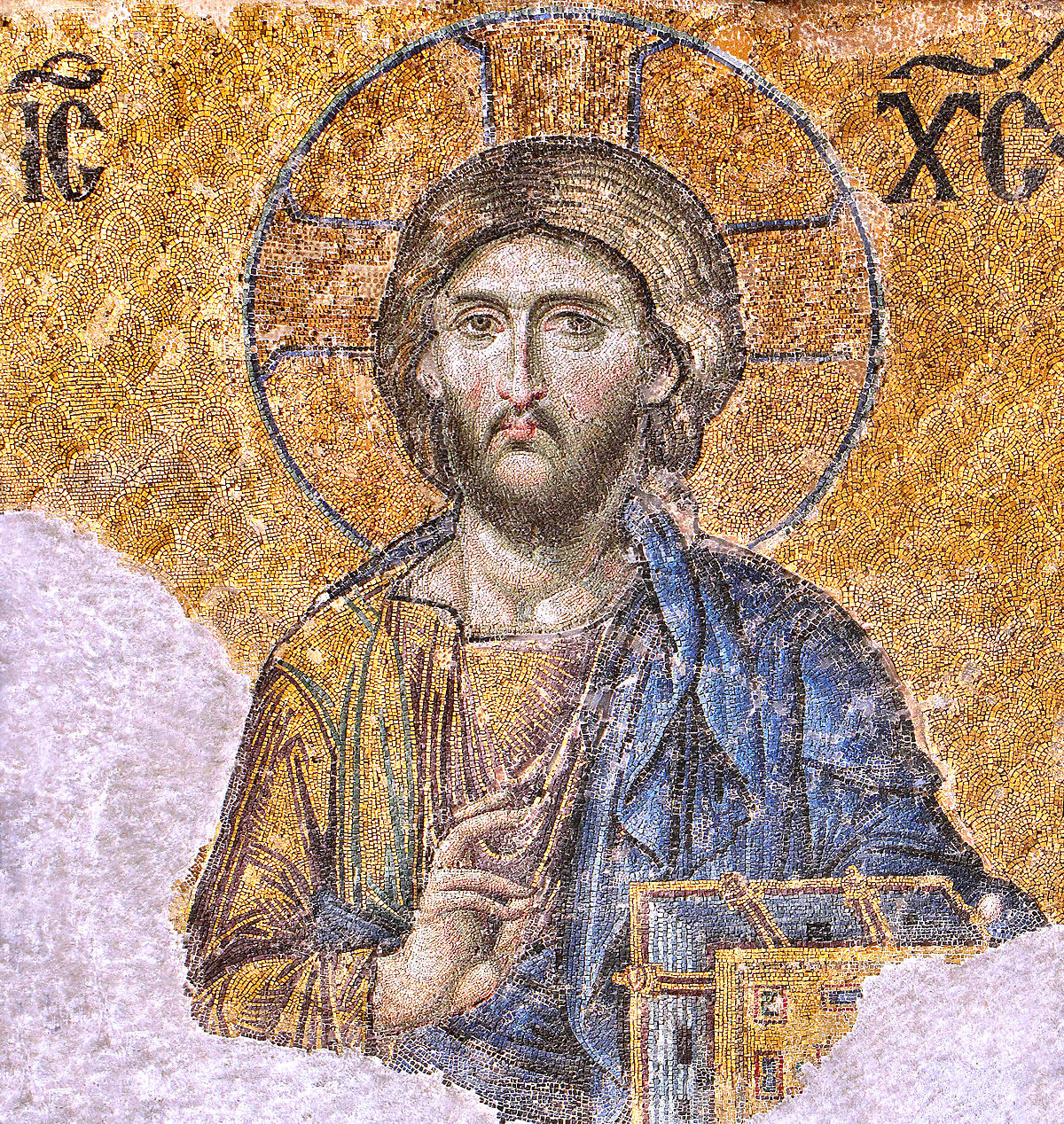
Christ Pantocrator mosaic from Hagia Sophia
Byzantine Art refers to the body of Christian Greek artistic products of the Eastern Roman (Byzantine) Empire, as well as the nations and states that inherited culturally from the empire.
The Byzantine Empire emerged from the decline of Rome and lasted until the Fall of Constantinople in 1453.
The art of Byzantium never lost sight of its classical heritage; the Byzantine capital, Constantinople, was adorned with a large number of classical sculptures. Content from both Christianity and classical Greek mythology were artistically expressed through Hellenistic modes of style and iconography.
The art produced in the Byzantine Empire was above all marked by the development of a new aesthetic defined by its "abstract", or anti-naturalistic character. If classical art was marked by the attempt to create representations that mimicked reality as closely as possible, Byzantine art seems to have abandoned this attempt in favour of a more symbolic approach.
The Byzantine Empire emerged from the decline of Rome and lasted until the Fall of Constantinople in 1453.
The art of Byzantium never lost sight of its classical heritage; the Byzantine capital, Constantinople, was adorned with a large number of classical sculptures. Content from both Christianity and classical Greek mythology were artistically expressed through Hellenistic modes of style and iconography.
The art produced in the Byzantine Empire was above all marked by the development of a new aesthetic defined by its "abstract", or anti-naturalistic character. If classical art was marked by the attempt to create representations that mimicked reality as closely as possible, Byzantine art seems to have abandoned this attempt in favour of a more symbolic approach.
Byzantine Art adapted from Wikipedia and licensed by The Cultural Me under CC BY SA 3.0